
How to Support a Partner Who Has Experienced Sexual Trauma
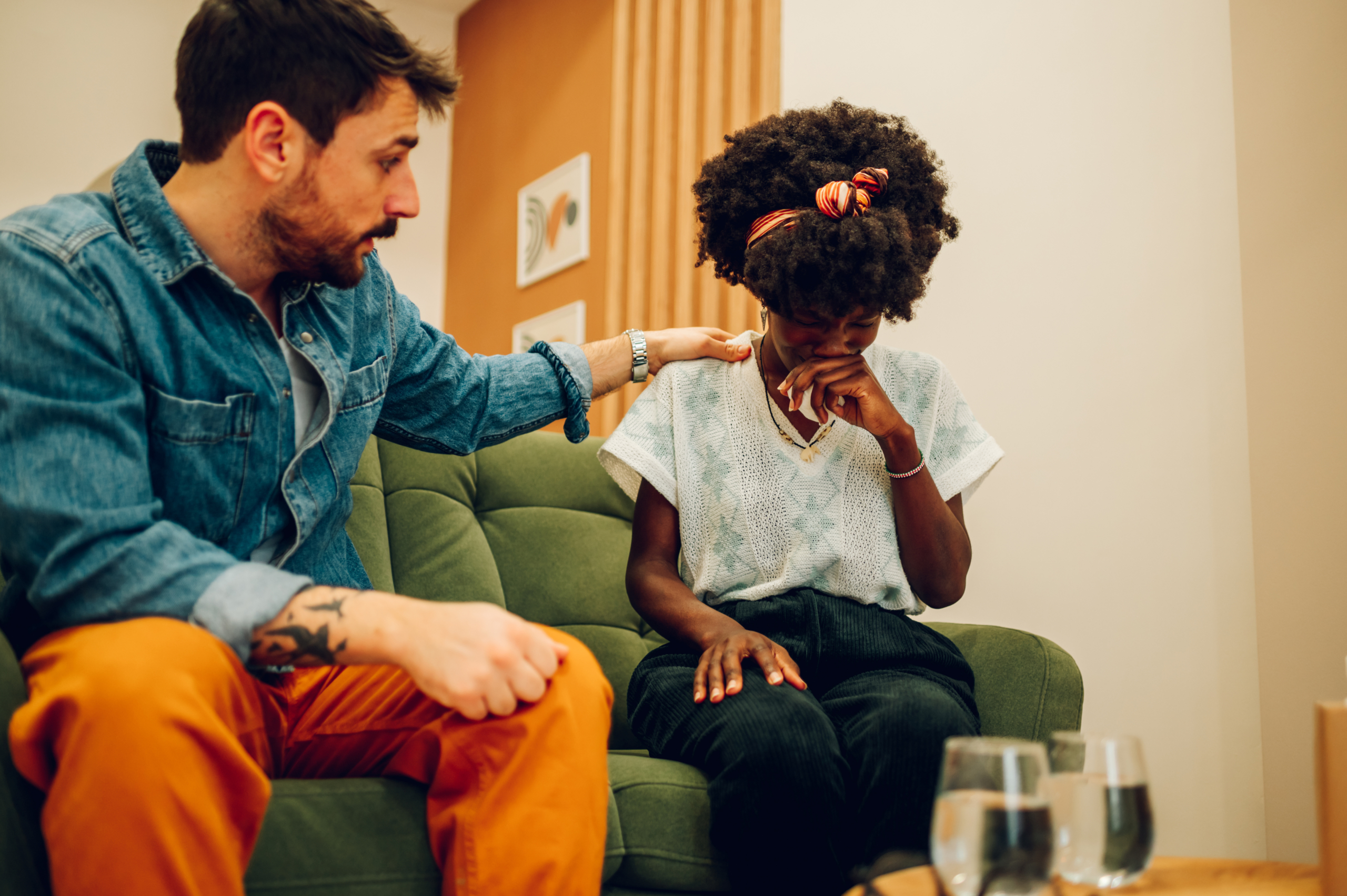
It doesn’t matter what happened or where it happened. What does matter is how you support the person you love who is trying to heal from sexual trauma.
How do you begin?
Any erotic stimulus can retrigger the experience. The survivor may push you away, get angry, walk away or try to disassociate from you temporarily. These reactions are normal. The survivor is trying to make some sense of the trauma, rethinking how it could have been avoided, hoping the guilt and shame from the incident will go away, and wanting desperately to forget the traumatized feelings. In some instances, the memories have been suppressed for so long that the survivor might not even identify their experience as traumatic. Symptoms from the trauma can emerge at any time.
As a therapist who has treated sexual trauma survivors, I find most struggle not only with their own feelings regarding the experience, but also with how their partner is handling the trauma. Partners want to be supportive, but they don’t know how.
Here is some advice for survivors:
- It is important that you understand it is not your fault. Expect to express feelings of self-blame and relive the trauma in your head repeatedly, hoping to find some relief.
- Begin talking about it with your partner. You don’t have to give specific details about the incident, but you can talk about boundaries you will need and triggers that may resurface. For example, you may begin shaking when your partner gets close to you. Talk about closeness boundaries. Communication is key and reciprocal communication is even better.
- Remember that your partner may not be equipped yet with the tools of empathy and support you need. This is a new experience for your partner, too, and they may need a little time to digest what has happened. Be patient.
- Consider seeking professional help from a therapist who has worked with sexual trauma survivors.
Here is some advice for partners:
- Do not push the survivor for details until they are ready to talk about their experience.
- Don’t question them or the situation. This can retraumatize them.
- Use affirming words such as, “I am so sorry this happened.” Reassure them it was not their fault. Reinforce your trust and support. Telling you is a huge and difficult step; let them know you are grateful they told you and that you want to be there for them.
- Respect the decisions they are making. This trauma can strip away a person’s sense of control and rational thinking for a while.
- Provide a safe, judgment free space so the survivor can feel comfortable sharing their feelings and in their own time.
- Practice active listening. When the survivor begins to share, listen attentively and without interruption. They need to feel understood and validated.
- Educate yourself. Learn about the effects of sexual trauma and the responses of victims so you can be a stronger support person.
- Encourage professional help but don’t push it. Offer to help the survivor find a support group or a therapist trained in sexual trauma. Don’t pressure them to take this step.
- Be patient. The survivor will have good days and bad days. Always be there every day.
Supporting a partner who has experienced sexual trauma requires compassion, empathy, patience and a commitment to respecting their needs and choices. Continue to provide an environment that encourages open communication so that the survivor can navigate their healing journey on their terms.
