
Caroline Gulick and Julie Kastelan Present: More Than Outpatient and Inpatient – Discussing In Between Levels of Care
Friday, June 26th, 2026 | 1pm – 2pm EST.
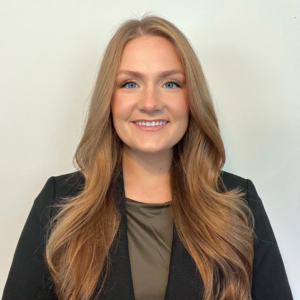
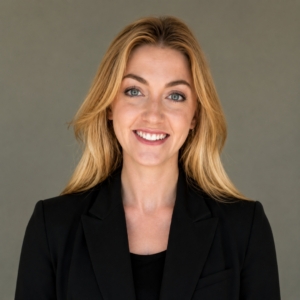
Presenter: Caroline Gulick, MA and Julie Kastelan, MT-BC (Pasadena Villa)
When a client requires more support than traditional outpatient therapy can provide, but does not meet criteria for inpatient hospitalization, determining the most appropriate level of care can be challenging. While many clinicians are familiar with outpatient and inpatient treatment settings, the levels of care that exist between these endpoints are often misunderstood, underutilized, or inconsistently defined across behavioral health systems.
In this webinar, Caroline Gulick and Julie Kastelan will provide an overview of intermediate levels of behavioral health and substance use treatment, including Residential Treatment, Partial Hospitalization Programs (PHP) with supportive housing, PHP without housing, and Intensive Outpatient Programs (IOP). Participants will explore the structure, intensity, and clinical goals of each level of care, as well as the factors that may indicate when a client would benefit from stepping up or stepping down treatment.
Gulick and Kastelan will discuss the following:
• The behavioral health and substance use treatment continuum
• Residential Treatment, PHP with housing, PHP without housing, and IOP programs
• Clinical indicators that may suggest a need for a higher or lower level of care
• Common referral challenges and misconceptions surrounding intermediate treatment options
• The benefits, limitations, and typical patient profiles associated with each level of care
• Case examples illustrating treatment placement, transitions, and continuity of care
• Strategies for collaboration between outpatient providers and higher levels of care
The webinar is open to therapists, counselors, psychologists, social workers, case managers, behavioral health clinicians, substance use treatment professionals, healthcare providers, and anyone interested in gaining a deeper understanding of the behavioral health continuum of care.
Participants may ask questions via chat during the webinar. Gulick and Kastelan will answer these following their presentation.
Webinar Presenters
Caroline Gulick, MA, Regional Director of Clinical Partnerships, earned a Bachelor of Science in Therapeutic Recreation from Central Michigan University and a Master of Arts in Behavior Analysis from Florida Institute of Technology. Her professional experience spans multiple levels of behavioral healthcare, including inpatient psychiatric treatment, community outreach, and behavioral health partnerships. Currently serving as Regional Director of Clinical Partnerships for Pasadena Villa Psychiatric Treatment Network, Gulick works to improve access to quality mental health treatment through strategic partnerships and provider education. She is passionate about helping clinicians understand the continuum of care, reducing barriers to treatment, and connecting individuals with the most appropriate support to achieve lasting recovery and wellness.
Julie Kastelan, MT-BC, Community Outreach Liaison, is a Board-Certified Music Therapist with experience across the full continuum of mental health care. She earned her Bachelor of Arts in Music Therapy from Eastern Michigan University and has worked in psychiatric inpatient, forensic, and outpatient treatment settings. Julie currently serves as Community Outreach Liaison at Pasadena Villa’s Troy clinic, where she supports Partial Hospitalization and Intensive Outpatient Programs while continuing to facilitate therapeutic music groups. Through outreach, education, and collaboration, she advocates for accessible mental health care and works to strengthen connections between providers, clients, and community resources.
In addition to providing education on the continuum of behavioral health care, Gulick and Kastelan serve as community resources for providers seeking guidance on treatment placement and available levels of care. Through their work with Pasadena Villa Psychiatric Treatment Network, they collaborate with clinicians, hospitals, and community partners throughout Michigan to help individuals access treatment that best meets their clinical needs.
This webinar can benefit therapists, educators, the general public, and those who want to gain a better understanding of alternatives to monogamy.
Participants may ask questions via chat during the webinar. David will answer these throughout his presentation.