
Are you being loved the way you want to be loved?
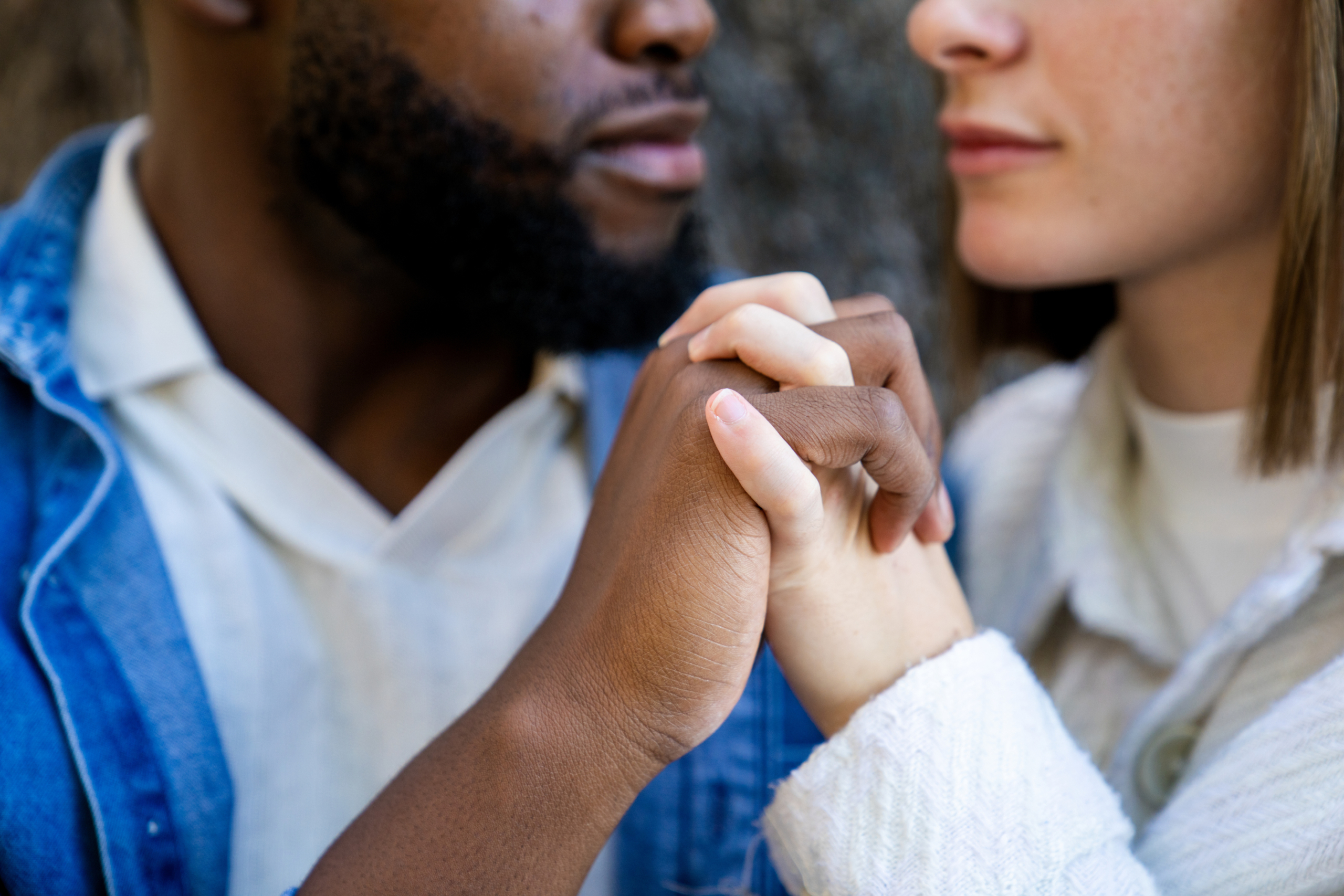
In an episode of the television show, Blue Bloods, Jamie didn’t know his wife Eddie’s love language, so he greeted her with all five when she arrived home from work. This is pretty normal in most relationships. The way we want to be loved may not be the way our partner knows, and if you don’t fit into one of the five love languages: words of affirmation, acts of service, receiving gifts, quality time and physical touch, you’ve made it even more challenging for your partner to know how to love you the way you want to be loved.
I remember reading about a couple who had been married for 75 years. Every morning, the husband got up, made toast for his wife, cut off the crust for her and served it. Finally, after 75 years, she spoke up: “you know the crust is my favorite part of the toast.” He thought his gesture was her love language only to learn he had been wrong for 75 years. But she didn’t tell him!
It’s not easy learning your partner’s love language if you don’t talk about it and truly understand how to deliver that love the way your partner wants it.
For example, if you were the victim of childhood sexual abuse, your love language may not be cuddling, hand holding or hugging. These expressions of love are resurrecting childhood trauma.
I remember one woman in therapy telling me that her love language is a specific candy, but her husband just brought home candy, thinking he was responding to her love language. When she told him it was not her favorite candy, he went back to the store and returned home with it only to find she still wasn’t happy. “He just didn’t get it,” she told me.
So many couples are programmed to do what they think their partners want instead of trying to understand their love language. In the candy scenario, the wife wanted her husband to think of her when he saw the candy she liked and surprise her with it from time to time.
Another couple I was seeing would go to baseball games because the husband thought it was their love language. Growing up, his parents loved to go to baseball games, so he assumed their love language would be the same for him and his wife. It wasn’t, he quickly learned.
“What makes you feel loved and appreciated,” I ask couples in our therapy sessions. They take time to explore their own unique ways of feeling loved. During our initial sessions, I ask them to share stories from their childhood so they can learn more about each other, understand each other better, start talking more and communicating more effectively so their relationship and love language needs can be met. Often, they are surprised to learn what their partner’s love language is, in fact, when I ask, “what is your love language,” I frequently receive inquisitive looks.
Love language often is misunderstood between partners. Research shows that people often have biased views of their partner’s preferences, which affects how they express affection.
Many times, men will tell me their love language is sex. In reality, it is very low on the totem pole. They think it is sex because they tend to bury their emotional side, which would reveal their true love language.
Through our sessions, I encourage exploration, and I work with couples to establish an atmosphere where they feel comfortable expressing their vulnerability, and feeling safe to share their feelings.
Sometimes I suggest couples start a journal where they document when they felt the most love that day or that week. When was it? What was it? How did they feel?
After some time and work, couples will begin to fit the pieces together. I remind them they have to continue to work on their relationship – and their love language – or they will forget what they learned and fall back into the same routine that got them into therapy initially.
For example, if your wife’s love language is going out for a quiet, romantic dinner and you fall back into the habit of spending more time on your phone than talking with her, you’re gonna be in the doghouse again.
Sometimes couples go overboard with their love language – I call that love bombing. Every day, they are doing something for their partner to show their love. After a short time, it doesn’t feel genuine; it feels forced.
One man told me his wife’s love language was receiving gifts so he love-bombed her with gifts several times a week, but she didn’t seem to appreciate his efforts. “She told me that was what she wanted so I did what she told me.” He didn’t understand how to maintain the right love language balance. Even if we have the love language conversation it does not mean it is going to work. Love language expressions have to be intentional and thoughtful.
In a couples therapy session, I remember one spouse saying, “I’ve spent the last five years bringing you flowers every Friday, and you are telling me you don’t feel loved?” She never told him this action was not her love language. We can be doing something we think our partner wants, but who is checking in to see if it is the right thing? Our intentions are good, and they matter, but it does not change how your partner feels if she is not getting the love she needs.
Couples have to work hard to understand each other’s love language and the right time for it to produce the best outcome. I understand that we get busy and forget, and it is easy to dismiss those thoughts and harder to keep them top of mind to act on them. Stop for a second, think how you can change your partner’s day if you take a few seconds to text her and tell her you are thinking of her, or pick up the candy bar she likes when you see it while waiting in line at a gas station. We have to reframe our mindset.
How we want to be loved almost never is the same way we give love. It doesn’t have to match your partner’s, and what works for one couple, may not work for you. As long as you have similar values and goals, it is okay if your love language is not the same.
I encourage couples to be receptive to therapy at any time in their relationship to keep it fresh and alive. Come into therapy to make sure you are staying on the same page. As soon as you encounter an issue that you are getting stuck on, talk to a therapist before it gets worse. At this time, you are logical and objective and in a better frame of mind for finding a solution. When you are at the end of your rope, you are emotional and irrational, and it is so much harder to break through to the issues you are having because they are buried beneath your emotions.
Do you know what your love language is?
Ask yourself these questions:
- What actions from your partner make you feel appreciated?
- How do you typically show love to others?
- What do you look forward to receiving from your partner?
- What behaviors or gestures from past relationships made you feel most valued?
- When do you feel most connected to your partner?
- What causes you to feel hurt or unloved?
Do you know what your partner’s love language is?
- Observe how they naturally show love to you and others.
- Ask them directly about what makes them feel appreciated.
- Notice what they worry about in the relationship.
- Pay attention to the requests they make.
- Watch their reactions to different expressions of love.
- Consider their family background and how affection was shown growing up.
